
Start Planning Your Project With Us
Is Your San Antonio Roof Ready for Late-Summer Storms? 7 Areas to Check Before the Next Downpour
Late summer in San Antonio often brings intense rainfall, high winds, and unpredictable storms. For many homeowners, roof damage becomes obvious only after leaks or ceiling stains appear, leading to costly repairs and unnecessary stress. Proactively inspecting your roof before the next heavy downpour can help you spot storm-related vulnerabilities early. Below are seven key areas to assess now, based on what Blue Chip Roofing & Construction frequently finds during storm-damage repair calls.
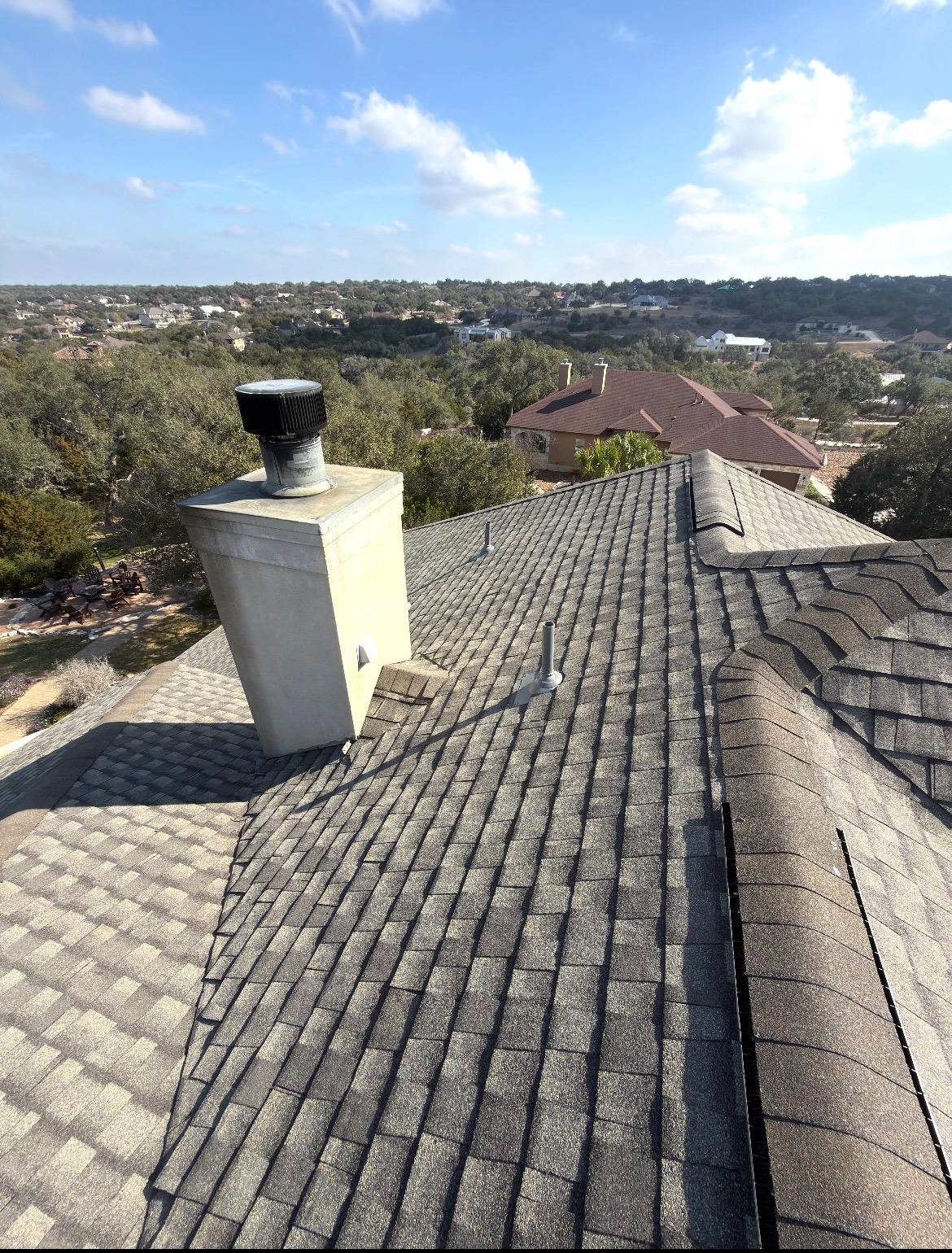
1. Shingles: Look for Damaged or Missing Pieces
Your shingles are the first layer of defense against heavy Texas rain and sudden wind gusts. Inspect for:
- Shingles that are curling, cracked, or clearly missing
- Loose granules accumulating in gutters, which signal aging or damaged shingles
If you notice any of these issues, immediate repairs can prevent leaks or larger sections from blowing off during the next storm.
2. Flashing: Stop Leaks Where Water Naturally Collects
Flashing refers to the metal strips that seal vulnerable edges and junctions, especially around chimneys, skylights, and valleys. If your flashing is lifted, rusted, or detached, it creates a direct path for rainwater to penetrate the roof deck. In San Antonio, frequent heavy showers can turn minor flashing problems into major ceiling leaks quickly.
3. Roof Penetrations: Inspect Around Pipes and Vents
Vent pipes, exhaust fans, satellite dishes, and other roof penetrations are notorious weak points. Check for:
- Cracked, worn, or missing sealant
- Deteriorated rubber boots at the base of each pipe
Blue Chip Roofing & Construction has repaired numerous homes in the area where small penetrations led to attic and wall damage after summer downpours.
4. Fascia: Guard Against Water and Pest Intrusion
The fascia is the vertical board running along the edge of your roof. When storms hit San Antonio, wind-driven rain can push water behind the fascia, causing rot or loosening. Gaps or soft spots here can also invite insects and critters into your attic, adding even more costly repairs.
5. Soffits: Protect Attic Ventilation and Interior Ceilings
Soffits help ventilate your roof and keep moisture from accumulating inside the attic. In South Texas, soffits that become warped, loose, or water-stained are a frequent cause of hidden mold and insulation damage. If you spot sagging or peeling paint, it’s time for a professional inspection.
6. Gutters and Drainage: Ensure Proper Water Flow
Gutters clogged with leaves, debris, or shingle granules can’t direct water safely away from your foundation. Overflowing gutters or downspouts that are disconnected can erode soil and lead to basement or slab water intrusion. Before the next storm, ensure your gutters are clean, firmly attached, and draining freely.
7. Attic: Spot Early Signs of Moisture Intrusion
A quick attic inspection can reveal telltale signs of roof trouble, such as:
- Water stains or streaks on joists or insulation
- A musty odor or visible mold
Spotting these early allows for repairs before water damage spreads to ceilings and walls—a common issue during San Antonio’s late-summer storms.
Schedule a Professional Roof Inspection Today
If you recognize any of these warning signs, don’t wait for the next San Antonio storm to worsen the situation. Blue Chip Roofing & Construction is based in San Antonio, TX, and specializes in storm-damage roof repair, fascia and soffit repair, and full-service residential roofing solutions. Call (210) 716-6947 to schedule your inspection or fill out our online form at bluechiproofing.com/contact for a quick response from our local team.